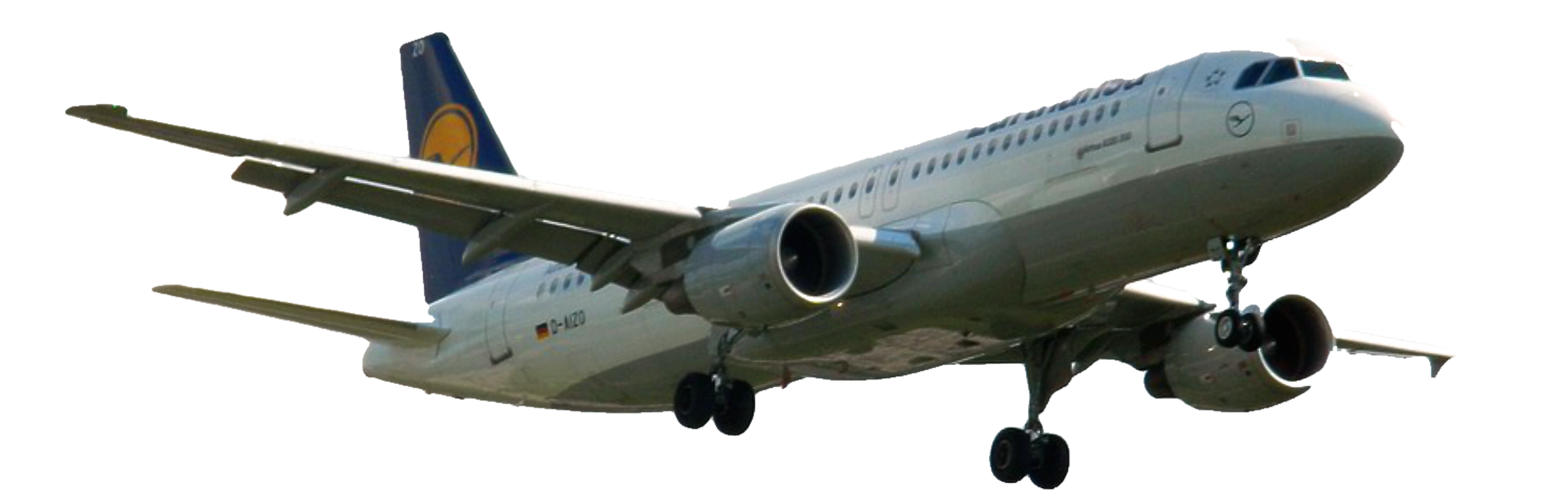
What Does It Actually Cost to Own an Aircraft in Europe?
A pilot once told me that buying an aircraft is the second biggest financial surprise of his life. The first was finding out what it cost to keep the aircraft.
He had budgeted carefully for the purchase of the aircraft. He had not budgeted for the inspection of the private aircraft, the hangar fee increase the engine reserve, the insurance renewal and the avionics update that all arrived in the same twelve months.
His story is not unusual. In fact it is the norm for aircraft owners.
The purchase price of an aircraft is just the entry ticket to owning a private aircraft. The real financial commitment starts the day you take ownership of the aircraft. This guide breaks down every cost you will actually face so there are no surprises about owning an aircraft.
The Two Types of Costs You Need to Understand
Before getting into numbers it helps to understand that private aircraft ownership costs fall into two categories for the private aircraft.
Fixed costs are what you pay whether the private aircraft flies or not. Insurance for the aircraft, hangar fees, subscriptions and annual inspections happen regardless of how many hours you log in the private aircraft.
Variable costs change based on how you fly the private aircraft. Fuel for the aircraft, landing fees, maintenance reserves and engine overhaul contributions all scale with usage of the private aircraft.
According to Aircraft Sales Hub, which tracks UK and European operating costs specifically fixed costs typically include insurance for the aircraft, storage and mandatory subscriptions while variable costs are driven by fuel consumption, routine maintenance reserves and engine overhaul allowances for the private aircraft.
The reason this distinction matters is simple. If you fly the aircraft fewer hours your fixed costs stay the same but your cost per hour goes up for the private aircraft.
Aircraft flying 200 to 400 hours annually justify ownership of the private aircraft compared to charter rates as fixed costs are spread across more flight hours in the private aircraft. However owners flying the aircraft fewer than 150 hours per year often find charter or fractional ownership more economical for the private aircraft.
Cost by Private Aircraft Type: What to Actually Budget
The numbers vary depending on what you fly in the private aircraft. Here is a realistic breakdown by category for the aircraft.
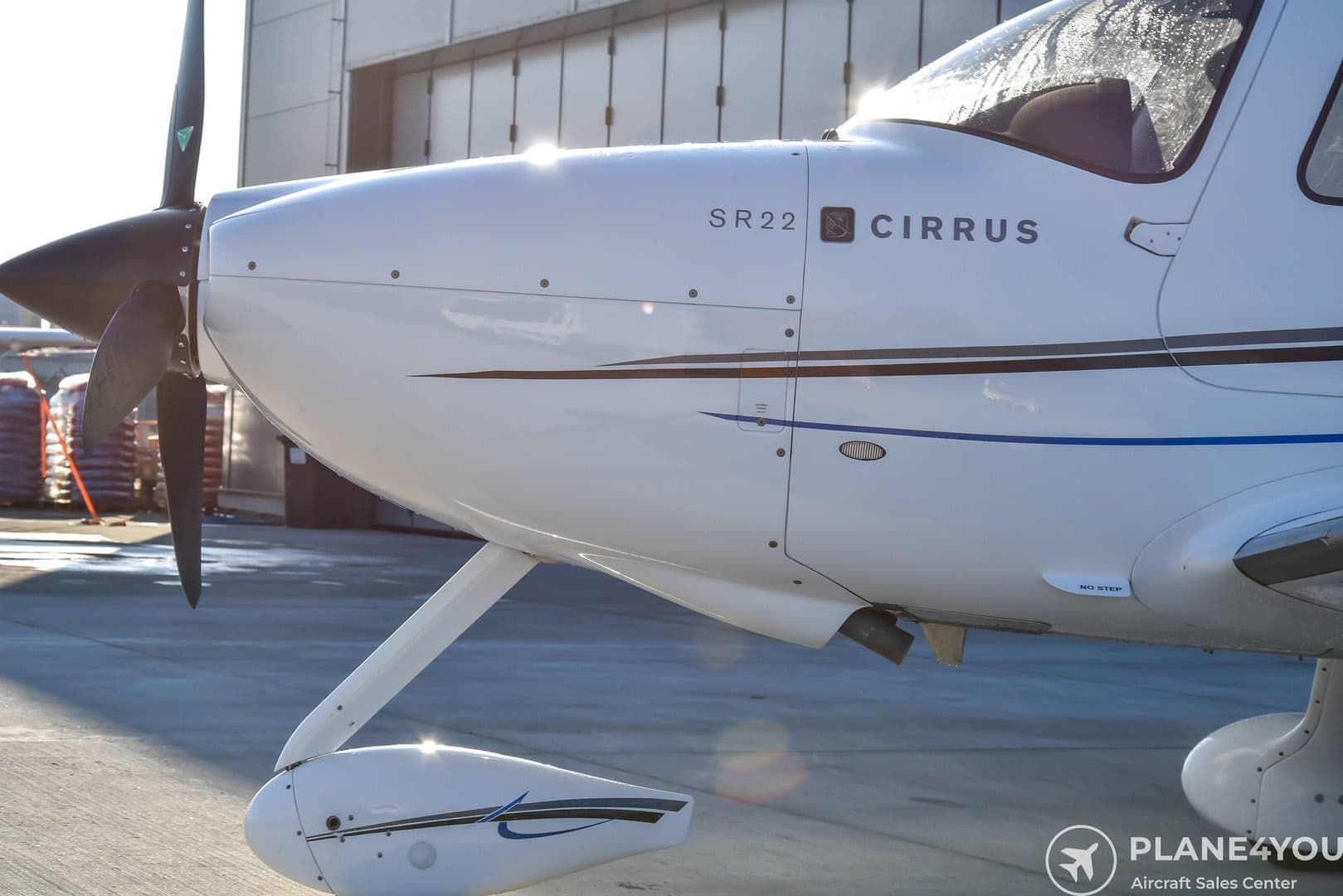
Small Piston Private Aircraft, like the Cessna 172 or the Piper Cherokee
is the affordable category to own and operate a private aircraft.
According to Impact Wealth annual private aircraft ownership costs for a piston private aircraft typically range from USD 20,000 to USD 80,000 depending on usage and maintenance needs of the private aircraft.
At 200 hours per year a Cessna 172SP runs USD 117,000 annually all-in breaking down to around USD 588 per hour per Aircraft Cost Calculator data for the private aircraft. That figure includes fuel for the aircraft, maintenance reserves, insurance for the private aircraft, hangar and fixed costs.
Fuel alone for a Cessna 172 runs 7 to 9 gallons per hour according to Thrust Flight. At European Avgas prices budget roughly EUR 50 to EUR 65 per hour in fuel costs depending on your home airport for the private aircraft.
Insurance for an engine piston private aircraft typically costs between USD 1,000 and USD 2,000 per year according to BlackJets private aircraft insurance analysis.
Twin Engine Piston Private Aircraft, like the Beechcraft Baron or the Cessna 414
Step up to a twin and the costs roughly double.
A Beechcraft Baron G58 flying 200 hours per year costs USD 196,000 annually or around USD 983 per hour per Aircraft Cost Calculator for the private aircraft. At 100 hours per year that rises to USD 720 to USD 920 per hour per Aircraft Loan Calculator for the aircraft.
Insurance for a twin engine private aircraft ranges from USD 2,500 to USD 6,000 per year according to BlackJet.
Single Engine Turboprop Private Aircraft, like the Pilatus PC-12 or the TBM 900
This is where costs make a jump into a different league for the private aircraft.
According to AvBuyers turboprop operating cost analysis you should realistically budget USD 575,000 per year for a single engine turboprop private aircraft based on flying 400 hours annually. That figure excludes capital costs, taxes and depreciation for the aircraft.
Turboprop insurance runs USD 5,000 to USD 15,000 per year for the aircraft itself per BlackJet though professional crew requirements will push total insurance costs higher for the private aircraft.
New single engine turboprops carry list prices of USD 2 million to USD 5 million. Pre-owned examples aged five to ten years run USD 1 million to USD 3.5 million per AvBuyer for the aircraft.
Twin Engine Turboprop Private Aircraft, like the King Air 350 or the Piper Cheyenne
For engine turboprops AvBuyer puts the realistic annual operating budget at approximately USD 825,000 per year at 400 hours annually excluding capital and depreciation for the private aircraft.
New acquisition costs run USD 4 million to USD 8 million list price for the aircraft. Pre-owned five to ten year old twins come in at USD 1 million to USD 3.5 million depending on type and condition of the aircraft.
Light Jet Private Aircraft, like the Phenom 300E or the Citation CJ4
Light jet ownership requires a serious annual financial commitment.
The annual operating cost for a Phenom 300E is USD 3,604 per hour based on 300 hours of assumed annual use for the private aircraft.
Flycrafts ownership cost analysis puts the Phenom 300E total budget at USD 802,352 at 200 hours per year and USD 1,215,574 at 400 hours per year for the private aircraft.
According to BlackJet private jet insurance premiums can exceed USD 30,000 per year for a jet private aircraft. Hull and liability combined can reach USD 35,000 to USD 225,000 depending on aircraft value for the private aircraft.
Depreciation rates for aircraft typically run 10 to 15 percent in the first year and 5 to 10 percent annually thereafter for the private aircraft.
Breaking Down Each Cost Category
For an aircraft fuel is almost always the biggest variable cost. It accounts for 25 to 35 percent of operating costs for most private aircraft categories.
For context across Europe in 2025 Jet-A1 prices vary significantly by country and airport for the aircraft. Major hub airports in London, Geneva and Paris carry a 20 to 40 percent fuel price premium over airports according to The Flying Engineer.
1. Fuel for the aircraft is a big cost.
Fuel is almost always your variable cost for the private aircraft. It accounts for 25 to 35 percent of operating costs for most private aircraft categories.
2. Maintenance and Inspections for the aircraft are necessary.
Annual maintenance costs for aircraft typically run 5 to 10 percent of the private aircraft's value per year.
3. Hangar Fees for the aircraft vary.
In Europe specifically hangar costs vary dramatically by location for the aircraft.
4. Insurance for the aircraft is a must.
Insurance cost scales sharply with aircraft value and complexity.
5. Crew Costs for the aircraft can be high.
If you own a turboprop or jet aircraft and do not hold the appropriate type rating or if you fly commercially you will need professional crew for the private aircraft.
6. Depreciation of the aircraft is a big cost.
This is the cost most first-time buyers forget to include in their budget. It is significant, for the private aircraft.
7. Additional European Costs to Plan For the aircraft.
Operating in Europe adds a costs that North American buyers sometimes overlook for the private aircraft.
When you own an aircraft you have to pay for a lot of things every year. This includes navigation database subscriptions, Eurocontrol route charges, international permits and customs fees for -EU operations. According to The Flying Engineer you should add 10 to 15 percent to your costs to cover these extra expenses.

A Realistic Annual Budget Summary
| Aircraft Type | Annual Budget | Cost Per Hour |
|---|---|---|
| Cessna 172 (single piston) — 200 hrs | ~USD 117,000 | ~USD 588 |
| Beechcraft Baron G58 (twin piston) — 200 hrs | ~USD 196,000 | ~USD 983 |
| Single turboprop — 400 hrs | ~USD 575,000 | ~USD 1,438 |
| Twin turboprop — 400 hrs | ~USD 825,000 | ~USD 2,063 |
| Light jet Phenom 300E — 200 hrs | ~USD 802,000 | ~USD 4,010 |
These numbers come from Aircraft Cost Calculator, AvBuyer, Flycraft and Liberty Jet.
Is owning an aircraft always the choice? No it is not. The answer depends on how hours you fly your aircraft. Most aviation experts say you should fly least 150 to 200 hours per year to make owning an aircraft worth it. If you fly than 100 hours per year it might be better to use fractional ownership or on-demand charter. This way you do not have to pay for a hangar, insurance, annual inspections and engine reserves. You only pay for the hours you use your aircraft.
However if you fly your aircraft regularly you want to be able to schedule flights whenever you want you need avionics or cabin configurations or you just like owning an aircraft then it might be a good choice for you.
Frequently Asked Questions
How much does it cost per year to own an aircraft in Europe?
For a single engine piston aircraft like a Cessna 172 the cost can be around USD 20,000 to USD 80,000 per year if you do not fly much. If you fly 200 hours per year the cost can be around USD 117,000. The cost depends on where you're in Europe, which affects hangar and fuel costs.
What is the biggest ongoing cost of owning an aircraft?
The biggest cost is usually fuel, which can be 25 to 35 percent of your costs. Maintenance reserves and crew costs are also expenses, especially for turbine aircraft.
Do I need a hangar in Europe?
Yes it is an idea to have a hangar. The weather in Europe can cause corrosion and damage to your aircraft if you leave it outside. The cost of a hangar for a piston aircraft at an airport can be around EUR 1,500 to EUR 3,000 per year.
How much is aircraft insurance in Europe?
The cost of insurance depends on the type and value of your aircraft. For an engine piston aircraft it can be around USD 1,000 to USD 2,000 per year. For a turboprop aircraft it can be around USD 5,000 to USD 15,000 per year. For a jet it can be more than USD 30,000 per year.
What is an engine reserve. Why does it matter?
An engine reserve is money you set aside each hour you fly to pay for the cost of overhauling your engine. For a Cessna 172 the overhaul can cost USD 20,000 to USD 40,000 every 2,000 hours. So you save around USD 10 to USD 20 per hour. For jet engines the reserve can be around USD 300 to USD 2,000 per hour.
Does flying hours reduce my cost per hour?
Yes it does. When you fly hours you can spread out the fixed costs like insurance and hangar costs. This means your cost per hour goes down when you fly more.
Where can I find aircraft for sale in Europe with pricing?
You can look at SkyDeals Europe, which has a lot of aircraft listings. Jupiter Aviation can also help you with budgeting, valuation and buying an aircraft as part of the SkyDeals Europe partnership.
Final Verdict
In the end owning an aircraft in Europe can be very rewarding. It is also very expensive. You have to consider all the costs, not the purchase price. A good rule of thumb is to add 10 to 20 percent to the purchase price per year for operating costs. If you make a budget before you buy you will be happier with your aircraft. Choose an aircraft that fits your budget and your flying habits. The aircraft that fits your budget is always better than the one that stretches it.
Elevate Your Aircraft Listings
Unlock premium features and boost your visibility. Get your aircraft in front of thousands of potential buyers worldwide with global reach.
View Pricing Plans