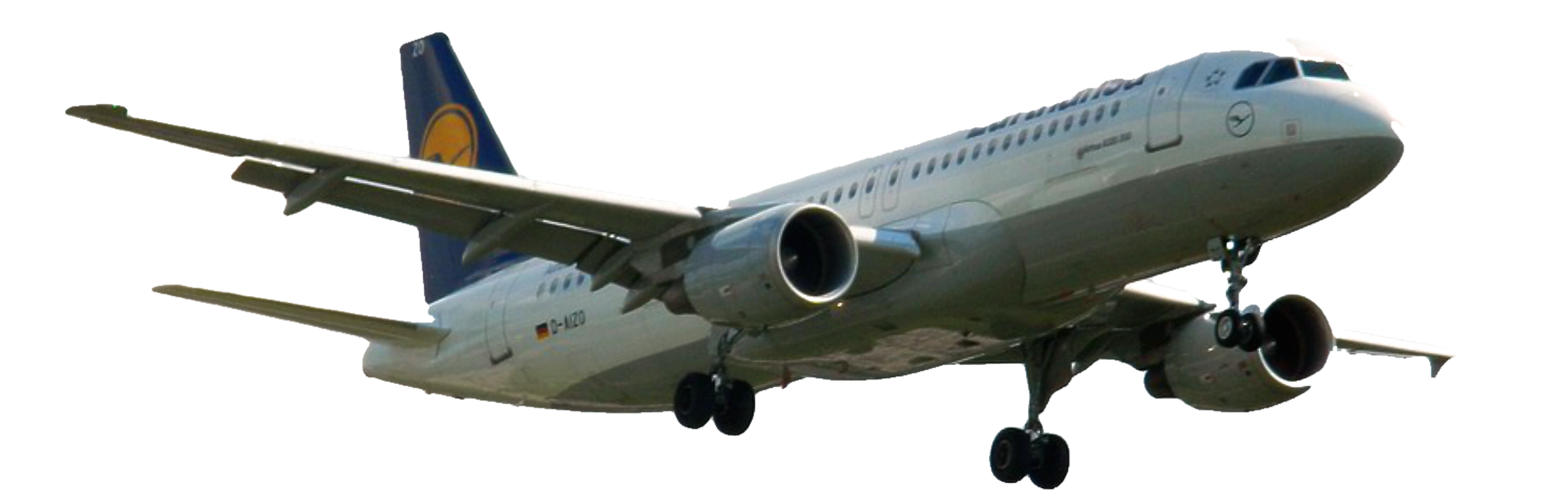
How to Buy a Used Aircraft in Europe: A Simple Step-by-Step Guide
Buying a used aircraft is a thrilling experience. At the same time, it is also a bit scary if you have never done this before. There is no lemon law here. Once you sign the papers, every problem the plane has becomes your problem.
The good news? The European market for used aircraft is huge and organized. Right now there are more than 2,400 aircraft for sale in Europe. So if you are patient and do everything correctly, you will find something suitable.
Here is the full procedure, step by step.
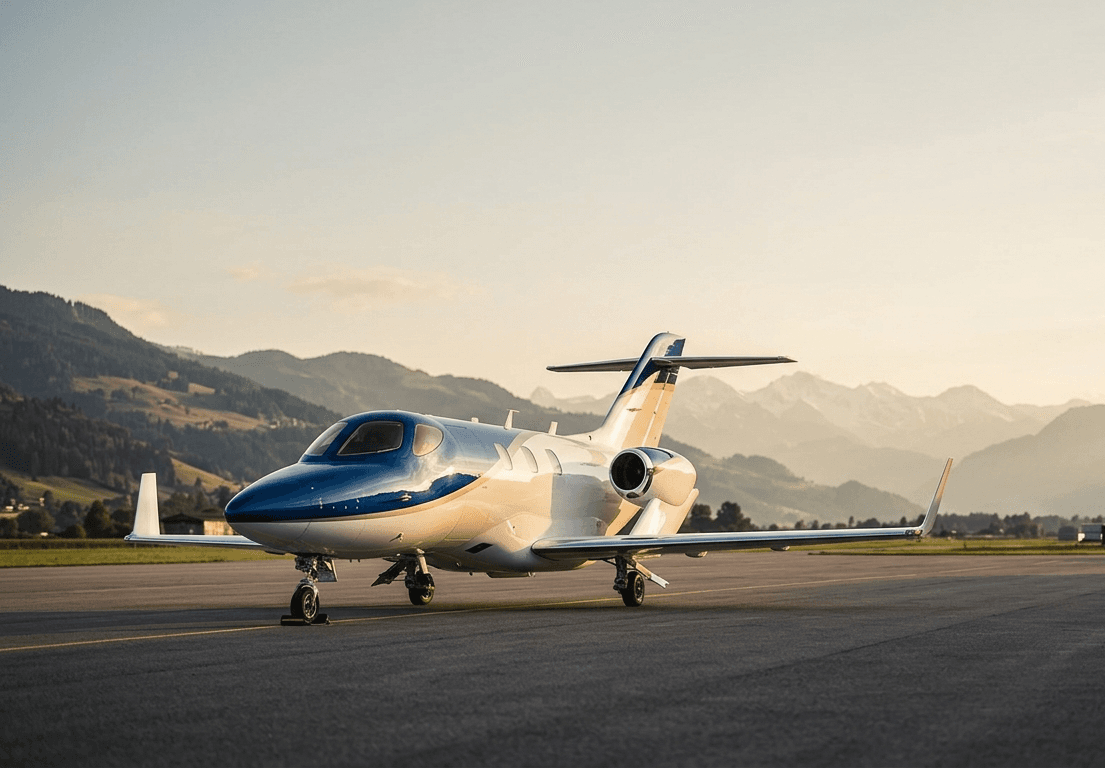
Step 1: Figure Out Your Mission
Most new buyers fall in love with a particular aircraft before they even know why they need it. That is completely wrong. Start with your mission instead.
One of my friends bought a beautiful turboprop due to its sleek look in photos. Problem was, he only made short weekend trips with two passengers. He sold it a year later losing the money, because the running costs did not meet his actual usage.
So first, ask yourself:
- How many passengers will usually fly with you?
- How long will your trips be?
- Do you need to land on small grass strips, or only big airports?
- How many hours per year will you really fly?
When you know what your mission is, the budget becomes much clearer. The purchase price is just the start. Fuel, maintenance, insurance, and hangar fees usually add another 10 to 20 percent to the value of the aircraft every single year.
Step 2: Pick the Right Category
The European market covers everything from small trainers to private jets. Here is the short answer:
| Category | Examples | Starting Price | Best For |
|---|---|---|---|
| Single Engine Piston | Cessna 172, Piper Cherokee | EUR 30,000 | Budget buyers, short trips |
| Multi Engine Piston | Cessna 414 | EUR 100,000–250,000 | Safety, range |
| Turboprops | Pilatus PC-12 | EUR 1,000,000+ | Small airfields, versatility |
| Business Jets | Light to large cabin | Varies widely | Speed, comfort |
| Helicopters | Various | Varies widely | Offshore, medical, executive |
You can see all these categories directly at SkyDeals Europe, where they list everything from pistons to jets in one place.
Step 3: Know the Market Before You Talk to Sellers
Get a feel for fair pricing before you call anyone. A few things shift the needle on value:
- Total airframe time. Usually, less hours equals more dollars.
- Engine hours. Approaching a deadline for an overhaul can rapidly erode value.
- Avionics. A modern glass cockpit with ADS-B Out commands a premium.
- Maintenance history. A clean record makes life much easier for a buyer.
- Damage history. Any previous structural repair impacts price.
Take a look at listing sites and see how long similar aircraft are sitting unsold. This tells you a lot about actual demand, not just asking prices.
Step 4: Identify Inventory and Contact Sellers
It's time to search! You have three major ways to locate potential inventory:
Online Marketplaces:
Websites produce various item types; an example of these websites is SkyDeals Europe. You can search for aircraft using filters for category, price range, year of manufacture, and location; SkyDeals Europe has a general mapping interface for regional searches.
Aircraft Brokers and Dealers:
Aircraft brokers provide access to many opportunistic markets and exclusive aircraft availability; they have a wealth of experience in their industry, bringing market knowledge and unique access to off-market aircraft. Brokers typically have an established relationship with their clients; the majority of brokers work for only one party (for instance, the buyer or seller of an aircraft) at any given time.
Private Sales:
Sellers willing to accept lower than market prices for their aircraft can occasionally be dealt with as private sales; however, whenever you buy via private sale, you are primarily responsible for your own due diligence.
When communicating with any seller, request the following documents before making an offer:
- Logbooks for airframe, engine, and propeller
- Maintenance records
- Airworthiness Directive compliance listing
- EASA modifications documentation
- Current Certificate of Airworthiness
- Current Registration Certificate
Step 5: Get a Pre-Buy Inspection
This is the most critical step. Skipping it is one of the most costly mistakes a buyer can ever make.
A pre-buy inspection is a thorough and objective inspection of the airplane's condition, systems, and paperwork, performed prior to making any commitments.
It is much like a home inspection done prior to purchasing a house, only with the added factor of life-threatening danger when it is discovered to be defective after purchase.
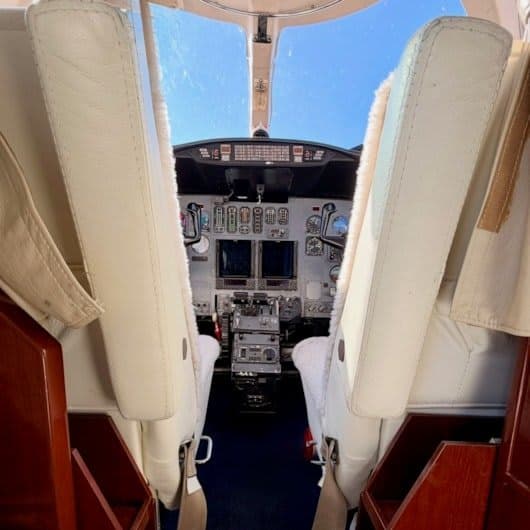
A good pre-buy inspection covers:
Airframe:
Skins, wing spars, control surfaces, landing gear, and any prior damage history.
Engine:
Compression testing, borescope check, oil filter inspection, and time remaining until overhaul.
Avionics:
Radios, GPS, autopilot, and ADS-B Out compliance.
Documentation:
Logbook history, AD compliance, and any damage disclosures.
Hidden defects like wing spar corrosion and undocumented entry in the logbooks cannot be seen by simply inspecting the cockpit. A proper inspection detects them.
How Much Does a Pre-Buy Inspection Cost?
| Aircraft Type | Inspection Cost | Time Required |
|---|---|---|
| Piston Aircraft | USD 500 – USD 2,000 | A few days |
| Light Jet | USD 15,000 – USD 25,000 | About 1 week |
| Large Cabin Jet | USD 100,000+ | Up to 3 weeks |
In all cases, the buyer foots the bill regardless of the result of negotiations but usually the seller covers the repair of any airworthiness issues found during the inspection.
Choosing an inspector: Never use the mechanic recommended by the seller. Find an independent shop that specialises in the aircraft type you are buying.
Step 6: Understand the Legal Side
Purchasing from within Europe involves purchasing within the EASA system.
Certificate of Airworthiness:
All aircraft operating in the EASA states must hold a valid Certificate of Airworthiness, which must be verified prior to purchase.
Ongoing Responsibility:
After the purchase, you will be responsible for keeping the aircraft airworthy based on EASA Part M or Part ML standards, depending on category.
Buying from Outside the EU:
If the aircraft is currently registered in the US or somewhere else outside the EU, then you will need to have it validated by EASA, de-registered from its present jurisdiction and then reregistered in Europe, which will take several months.
Title Search:
Do a title search prior to any payments. You want to make sure that the owner of the aircraft does in fact have full ownership free and clear of liens.
Purchase Agreement:
Have an aviation lawyer prepare or review the Purchase and Sale Agreement. The agreement must specify conditions of delivery, escrow process, post-inspection payments and acceptance flights.
Step 7: Negotiate Like You Mean It
With your inspection report in your hands, you now have power. Some common negotiation tactics include:
- Requesting a price reduction to cover the cost of deferred maintenance
- Requiring all airworthiness issues to be resolved before closing
- Factoring in the cost of any required avionics upgrades
- Leveraging upcoming engine or landing gear overhauls in negotiations
An aircraft that has been properly maintained will have no problems being inspected. If a seller objects strenuously to a legitimate request, this itself is telling.
Step 8: Close the Deal and Register the Aircraft
Having sorted out all other issues, the final stage will be as follows:
- Place funds in an escrow account
- Complete a final acceptance flight with both parties present
- Confirm all agreed repairs have been performed
- Sign the Purchase and Sale Agreement
- Release the escrow funds
- Begin the registration transfer with your national Civil Aviation Authority
- Take out insurance immediately
Registration typically takes 4 to 8 weeks in most EASA countries.
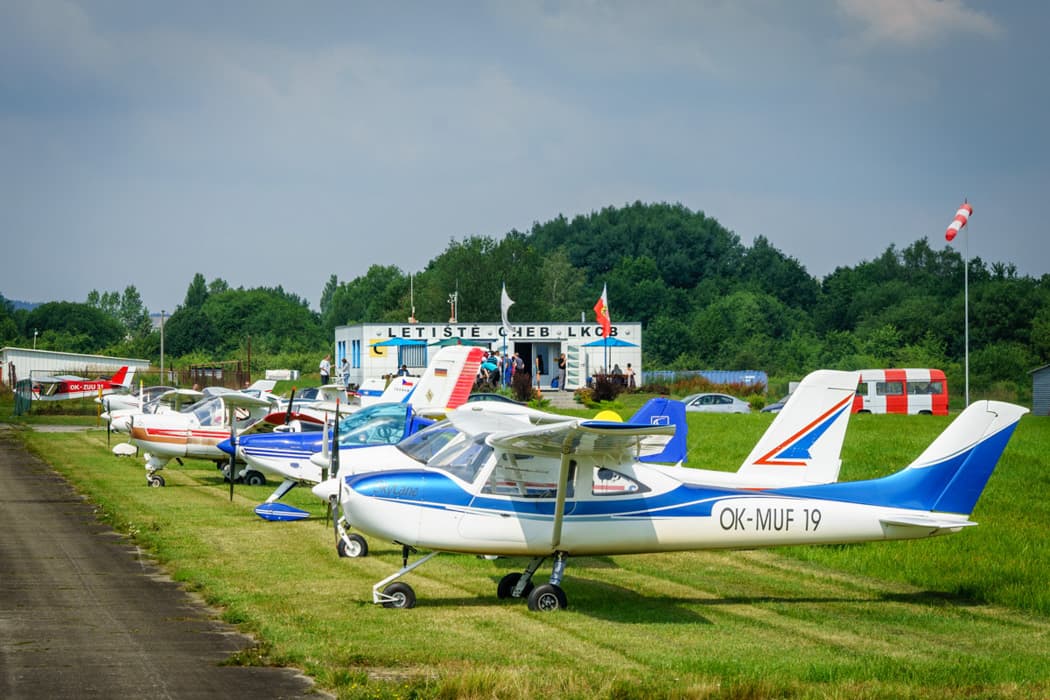
Frequently Asked Questions
Do I need a broker?
Not necessarily. For basic piston acquisitions, most people prefer not to use brokers, and just engage an independent surveyor and a lawyer. For turboprop aircraft, however, the value of the broker's market knowledge usually outweighs the cost of employing one.
How long will the entire process take?
Typically, the acquisition of a piston aircraft will take from four to eight weeks from the beginning to the end of the process. The acquisition of a turboprop aircraft may take up to three to six months.
Who pays for the pre-buy inspection?
The buyer pays for the inspection. The seller, however, is responsible for any airworthiness fixes discovered during the process.
Is it possible to purchase a US-registered aircraft and fly it in Europe?
It is possible, but only under certain conditions: the aircraft must be validated by EASA, de-registered in the USA, and reregistered in an EASA member state. Thus, you should give yourself enough time.
Does the pre-buy inspection involve a test flight?
Yes, definitely. If there is no test flight involved, then the inspection process is incomplete. You have to evaluate the engine performance, avionics and autopilot operation.
Can I negotiate even after the pre-buy inspection?
Sure. Your best leverage at the negotiations is the report.
Final Thoughts
Purchasing a used airplane in Europe takes time. Define your purpose beforehand. Do your research. Do not skip the pre-buying check. Know your EASA requirements. And, always have a lawyer review your contract.
Skipping any of these steps means learning a very costly lesson. Following them ensures that you get an airplane that works well for you in years to come.
Elevate Your Aircraft Listings
Unlock premium features and boost your visibility. Get your aircraft in front of thousands of potential buyers worldwide with global reach.
View Pricing Plans